
Montellano (Seville): The Village Few Tourists Know
Some places get overlooked simply because they don't appear on any "top ten most beautiful villages in Andalusia" list. Montellano is one of them. And that, in many ways, is exactly the point.
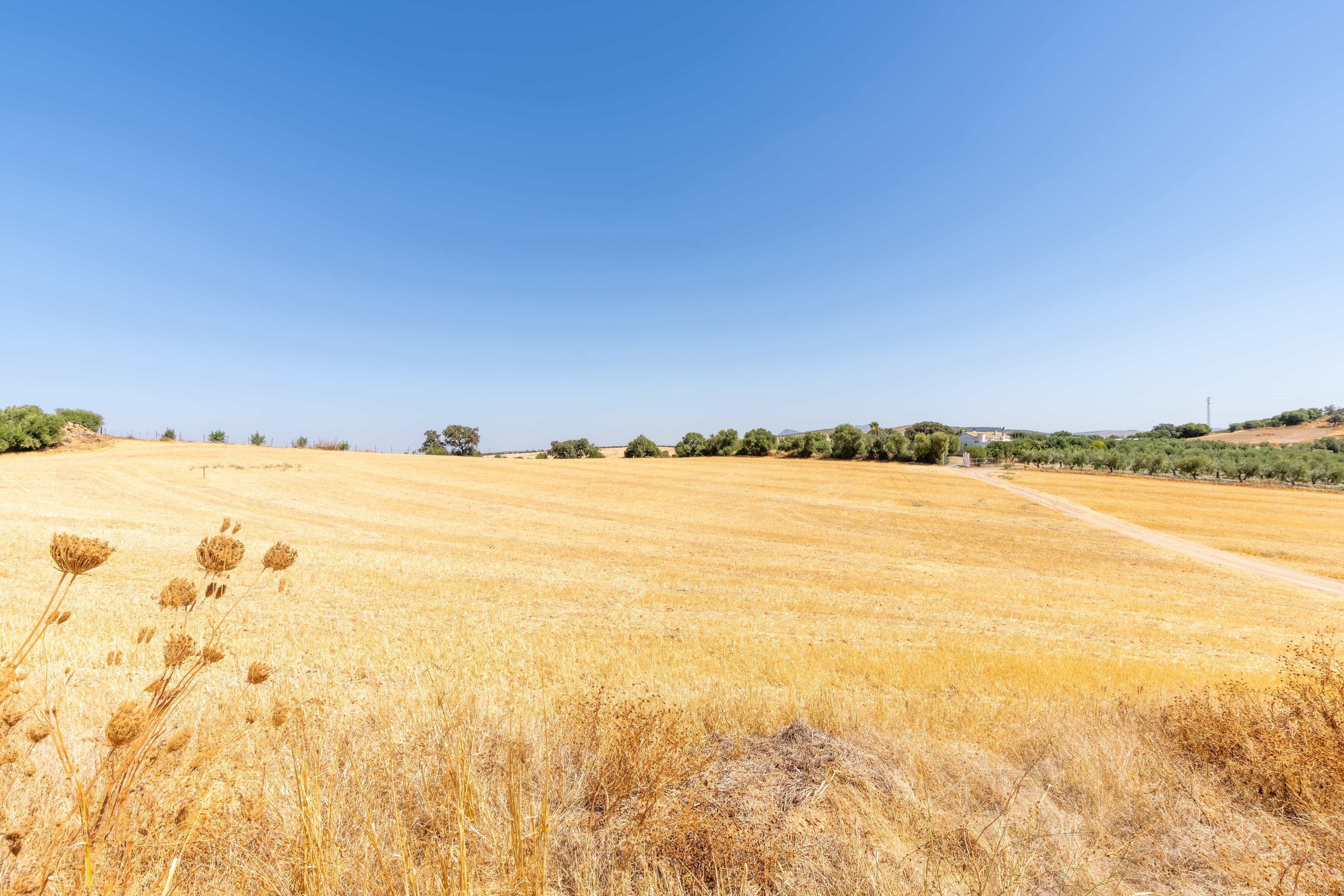
Located 66 kilometres southeast of Seville and just over an hour from Ronda, this municipality in the Sierra Sur sits on the slopes of Monte San Pablo at 250 metres above sea level. From its viewpoints, sunflower and cereal fields stretch southward as far as the eye can see; to the north, the sierra begins to rise. Montellano sits at the exact transition between the open plains and the mountain range — which makes it an exceptional base for exploring inland Andalusia without the crowds that come with better-known destinations.
Castillo de Cote: a 13th-century Gothic castle unique in Spain
The most remarkable feature of Montellano is not in the village centre but on a hilltop outside town: the Castillo de Cote. Built between the 13th and 14th centuries during the Reconquista, it has an architectural detail that makes it unique in Spain: four apses in its floor plan, a design found in no other fortress in the country.
Its ruins are part of the Paisaje de Interés Cultural de Cote. On a clear day, the view from the top of the castle reaches all the way to the sea.
Tajos de Mogarejo: the village's natural monument
A few minutes from the town centre lie the Tajos de Mogarejo, a rocky limestone escarpment declared a Natural Monument in 2003. The sheer cliffs create a dramatic landscape that contrasts sharply with the gentle fields surrounding them.
This is one of the most popular starting points for the village's hiking routes, which range from 2.8 to 8.5 kilometres and vary from easy to moderate difficulty — suitable for families as well as more experienced walkers.
Sierra de San Pablo: viewpoints, hiking and paragliding
The natural backdrop of Montellano is the Sierra de San Pablo, offering several viewpoints with different perspectives over the village and the plains: the Mirador de la Cancha, Pancorbo and Puerto del Acebuche are the most visited.
But the sierra has another use that not everyone knows about: it is one of the most highly regarded paragliding zones in southern Spain. Wind conditions and terrain attract pilots from across the peninsula, and tandem flights are available for those who want to experience it without a licence.
The area also lends itself to mountain biking and horseback riding along the trails that cross the municipality.
The Vía Verde de la Sierra
Montellano connects to the Vía Verde de la Sierra, a former railway line converted into a trail for cyclists and walkers. The route passes through tunnels, viaducts and mountain scenery over several kilometres, with sections suitable for all abilities. It is one of the best-preserved greenways in Andalusia.
Romería de San Isidro: a Festival of International Tourist Interest
On the first Sunday after 15 May, Montellano celebrates its most important event: the Romería de San Isidro Labrador, declared a Festival of International Tourist Interest. It is one of the most authentic pilgrimages in the province of Seville — hundreds of decorated floats, horseback riders and music making their way across the countryside. If your visit happens to coincide with this date, it is well worth planning around.
In August, the Jubileos fair honours the town's patroness, the Virgen de los Ángeles, over four festive days. In July, the Flamenco Festival draws enthusiasts from across the region.
Gastronomy: the flavours of the sierra
Montellano's food is hearty and honest. The products you should not leave without trying are the morcilla de asaduras (offal blood sausage), artisan fresh cheeses, locally made chorizo, tortas de hornazo (savoury pastries) and wood-fired bread. The olive oil produced in the groves surrounding the village is the kind of quality that reveals itself eaten raw.
A base for exploring inland Andalusia
What makes Montellano particularly interesting is its position on the map. From here, you can reach in under an hour places that many visitors spend years trying to fit into a single trip:
- Morón de la Frontera (22 km), with its Arab castle and flamenco heritage
- Utrera (32 km), capital of cante jondo
- Ronda (67 km), with its famous gorge and historic old town
- Jerez de la Frontera (70 km), capital of sherry and flamenco
- Seville (66 km), less than an hour by motorway
- Cádiz (100 km), for the Atlantic coast
Montellano is also part of the Vía Serrana del Camino de Santiago, a historic route connecting La Línea de la Concepción with Seville, linking up with the Vía de la Plata pilgrimage route.
How to get to Montellano
By car is the most convenient option. Montellano is 66 km from Seville — about 50 minutes via the A-92 motorway towards Málaga, exit Montellano. From Ronda it is 67 km along the A-374 (just under an hour). From Jerez de la Frontera, 70 km via the A-382. There are no tolls on any of these routes.
By bus, Casal operates regular services between Seville (Plaza de Armas bus station) and Montellano with several departures a day. The journey takes approximately one hour and fifteen minutes. Check current timetables on the Casal website or the Seville provincial transport consortium.
By train there is no direct connection — the nearest station is Utrera (32 km), with frequent services from Seville. From Utrera you would need a taxi or car to cover the final stretch.
Where to stay in Montellano
Accommodation options in Montellano are few, which keeps things quiet and personal. If you are looking for a rural base with space for several days of exploring, our Casa Rural with Pool and Olive Grove offers four bedrooms, private pool, garden and olive grove for up to 8 guests.

Montellano · Sevilla
Rico Rincón Montellano Las Monjas
Check availability and book